
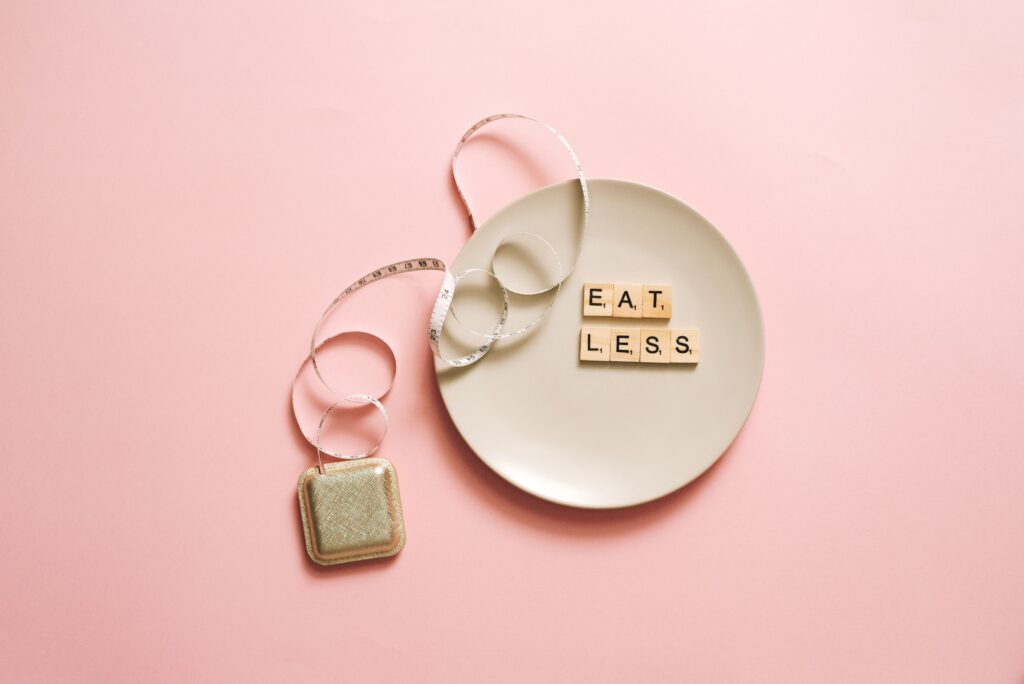
If you’ve ever lost weight only to gain it all back, and sometimes even more. You are far from alone.
Millions of people start a new diet every year with hope and determination, only to find themselves back where they started a few months later. It isn’t because they lack willpower. In most cases, it’s because the diet itself wasn’t designed to create long-term success.
At Lipolytic Diet, we believe lasting weight loss is about understanding how your body works, creating sustainable habits, and receiving the right suppor. Not simply eating less.
The Diet Cycle
For many people, the journey looks something like this:
- Decide it’s time to lose weight.
- Follow a strict diet.
- Lose weight quickly.
- Feel deprived and hungry.
- Cravings increase.
- Return to old eating habits.
- Regain the weight.
- Feel discouraged.
- Start another diet.
This cycle can repeat for years, leaving people frustrated and convinced that they have “failed.”
The truth is, many diets fail you, not the other way around.
1. Diets Focus on Restriction Instead of Sustainability
Many popular diets eliminate entire food groups or severely restrict calories.
While this may produce short-term weight loss, it can also lead to:
- Constant hunger
- Low energy
- Poor concentration
- Irritability
- Strong food cravings
- Difficulty maintaining the plan
Eventually, most people return to their usual eating habits because the diet simply isn’t realistic for everyday life.
The best weight-loss programme is one you can realistically follow and maintain.
2. Hunger Is Stronger Than Willpower
Many people believe successful weight loss is simply about having more self-control.
In reality, your body has powerful biological systems designed to keep you alive.
When you lose weight, your body may respond by:
- Increasing hunger hormones
- Reducing feelings of fullness
- Slowing metabolism
- Conserving energy
- Increasing cravings for high-calorie foods
These are normal survival responses, not personal failures.
This is why many people feel as though they are “fighting” their own body.
3. Your Metabolism Can Adapt
When calorie intake is reduced significantly for long periods, your body becomes more efficient at conserving energy.
This process, often called metabolic adaptation, means you may burn fewer calories than expected, making further weight loss more challenging.
Extreme dieting can therefore become increasingly difficult to sustain.
A well-designed programme aims to support healthy weight loss while helping you maintain lean muscle mass, which plays an important role in energy expenditure.
4. Emotional Eating Is Often Ignored
Food is about much more than nutrition.
People eat when they are:
- Stressed
- Lonely
- Tired
- Bored
- Celebrating
- Feeling anxious
Many diets focus only on what you should eat while ignoring why you eat.
Understanding emotional eating patterns is often an important part of achieving lasting results.
5. One Size Does Not Fit All
Every person is different.
Factors such as age, medical conditions, menopause, activity levels, sleep quality, stress, medications, and previous dieting history can all influence weight loss.
A programme that works well for one person may not be the best choice for someone else.
Personalised guidance can make a significant difference.
6. Lack of Support
Trying to lose weight alone can be difficult.
Many people start highly motivated but lose momentum when life becomes busy.
Support, accountability, education, and encouragement often help people stay consistent during challenging periods.
7. Quick Fixes Rarely Create Lasting Results
The promise of losing large amounts of weight in a very short time can be tempting.
Unfortunately, rapid weight loss programmes often don’t teach the habits needed to maintain results.
Sustainable weight management is built on consistent choices over time, not temporary extremes.
What Actually Works?
Research consistently shows that successful long-term weight management is built on several key principles:
- A structured, realistic eating plan
- Adequate protein intake to support muscle mass and satiety
- Appropriate calorie control
- Regular physical activity
- Good sleep habits
- Stress management
- Ongoing support and accountability
- Sustainable lifestyle changes
Rather than searching for another miracle diet, focus on creating habits you can continue long after you’ve reached your goal weight.
The Lipolytic Diet Approach
At Lipolytic Diet, we recognise that successful weight loss is about much more than simply eating less.
Our programmes are designed to provide:
- A structured eating plan
- Practical nutrition guidance
- Ongoing support
- Accountability throughout your journey
- Convenient online access from anywhere in South Africa
- Optional Skinny Shots as part of selected programmes for eligible clients, where appropriate, to support appetite management alongside a structured weight-loss plan
Our goal isn’t simply to help you lose weight.
Our goal is to help you build healthier habits that support long-term success.
Remember: You Didn’t Fail the Diet
If you’ve tried multiple diets without lasting success, it doesn’t mean you lack discipline or motivation.
Weight loss is influenced by biology, behaviour, environment, emotions, and lifestyle. Lasting success usually comes from addressing all of these factors. Not relying on willpower alone.
With the right plan, realistic expectations, and consistent support, sustainable weight loss is achievable.
Ready to Start Your Journey?
If you’re looking for a structured online weight-loss programme that combines education, support, and practical strategies, Lipolytic Diet is here to help.
Explore our programmes, learn more about our approach, and take the first step toward healthier, sustainable weight management.