
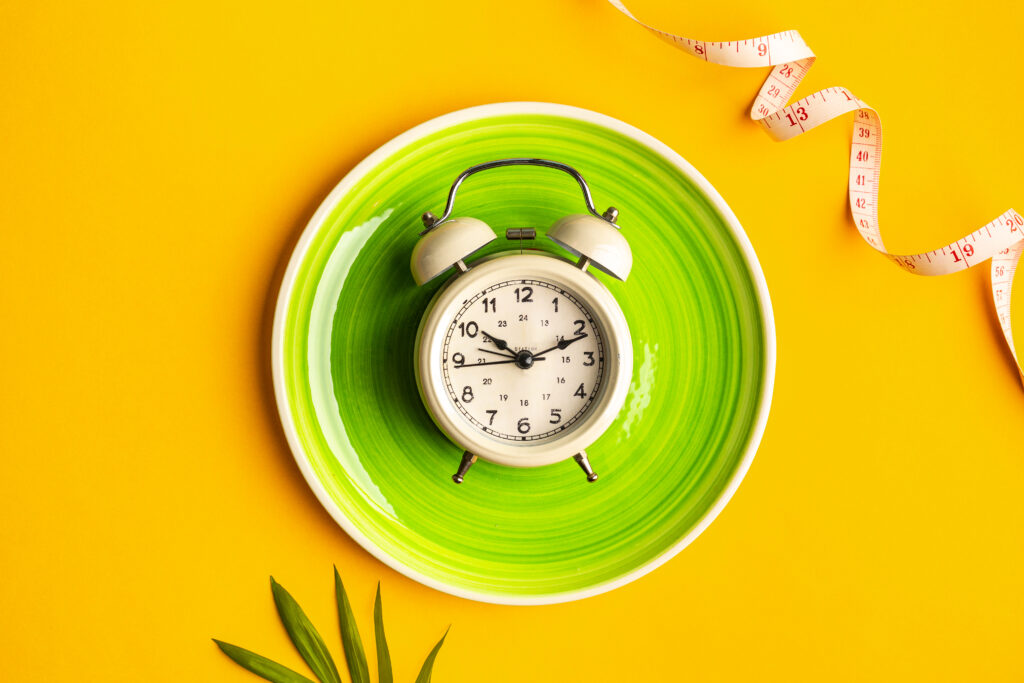
If intermittent fasting has ever felt confusing, you are not alone.
Some people think it means starving yourself. Others assume it is too complicated or too extreme. In reality, intermittent fasting is one of the simplest ways to support your metabolism and help your body shift back into fat-burning mode.
When combined with the Lipolytic Diet, it can be even more effective.
Intermittent fasting is not about eating less. It is about timing your meals in a way that supports fat burning and metabolic balance.
What Is Intermittent Fasting?
Intermittent fasting is an eating pattern where you alternate between periods of eating and periods of not eating.
That is all it is.
There are no complicated rules, no special foods, and no strict meal plans required. The goal is to give your body enough time between meals for insulin levels to drop, which helps your body access stored fat for energy.
When insulin drops, fat burning can increase.
This is why intermittent fasting naturally supports lipolysis, which is the process of breaking down stored fat.
The Two Easiest Ways to Start
You do not need to jump into long fasting periods right away. The Lipolytic approach is focused on sustainability, not extremes.
Here are two beginner-friendly methods to start with.
14:10 Method
Fast for 14 hours and eat within a 10-hour window.
Example: Eat between 9am and 7pm.
This is often the easiest and most comfortable starting point.
16:8 Method
Fast for 16 hours and eat within an 8-hour window.
Example: Eat between 12pm and 8pm.
This method gives your body more time to access stored fat and is commonly used in metabolism-focused fat-loss strategies.
Even small changes to meal timing can make a meaningful difference.
What Happens in Your Body During Fasting?
During the first few hours after eating, your body uses glucose from food as its main energy source.
As more time passes without eating, your body begins to shift:
- Insulin levels drop
- Fat-burning signals increase
- The body starts accessing stored fat
- Energy production often becomes more stable
- Cravings may begin to decrease
This metabolic shift is exactly what the Lipolytic Diet is designed to support.
Instead of constantly feeding the body, you create space for it to do what it was designed to do, which is to use stored energy.
Why Intermittent Fasting May Help Reduce Cravings
A common concern is that fasting will make you feel hungrier. In many cases, the opposite happens after an adjustment period.
When insulin and blood sugar become more balanced, many people notice:
- More regulated hunger signals
- Fewer energy crashes
- Less snacking throughout the day
- Reduced food cravings and less food noise
This is one reason intermittent fasting often starts to feel easier after the first week or two.
Your metabolism begins working with you instead of against you.
Intermittent Fasting and the Lipolytic Diet
Intermittent fasting can be helpful on its own, but pairing it with the Lipolytic Diet creates a stronger metabolic support system.
The Lipolytic Diet is designed to support:
- Stable blood sugar
- Fat mobilization
- Lean muscle preservation
- Reduced fat-storage signals
- Sustainable energy levels
Together, intermittent fasting and the Lipolytic Diet help your body return to more efficient fat burning.
This is not about restriction.
It is about metabolic alignment.
Keep It Simple and Sustainable
You do not need to be perfect.
You do not need to fast every day.
You do not need to force your body.
Start gradually, stay consistent, and give your metabolism time to adapt.
Real transformation happens when small habits become part of your daily rhythm. Intermittent fasting can become one of the simplest and most effective habits you build.
Ready to Support Your Fat-Burning Metabolism?
Intermittent fasting works best when your body is supported with the right nutrition strategy.
That is exactly what the Lipolytic Diet is designed to do.
Fat burning does not have to be complicated. It just needs the right timing.