
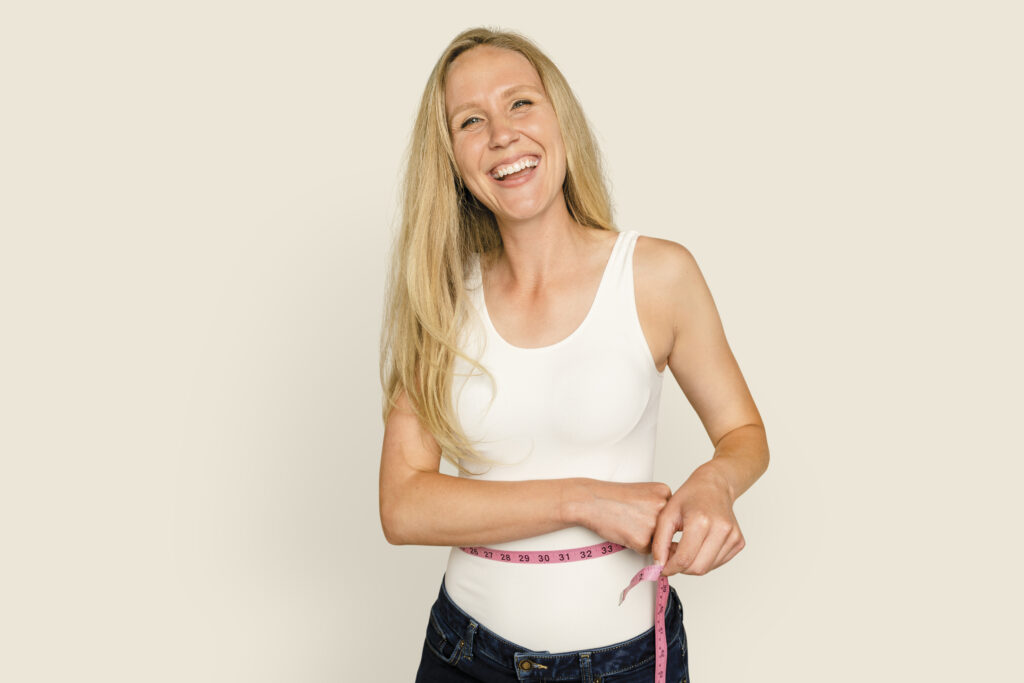
Why Does Belly Fat Increase During Menopause?
If you’ve noticed that your waistline seems to be expanding despite eating the same foods and maintaining your usual lifestyle, you’re not imagining it.
Many women experience an increase in abdominal fat during perimenopause and menopause due to natural hormonal changes. As estrogen levels decline, the body tends to store more fat around the midsection rather than the hips and thighs. At the same time, metabolism often slows, muscle mass gradually decreases, and insulin sensitivity may be affected.
The result? Stubborn belly fat that feels much harder to lose than it did in your 20s, 30s, or even 40s.
The good news is that menopause belly fat is not inevitable, and there are effective ways to manage it.
Understanding Menopause Belly Fat
Menopause-related weight gain isn’t simply a cosmetic concern. Excess fat around the abdomen, often referred to as visceral fat, surrounds internal organs and may increase the risk of:
- Type 2 diabetes
- Heart disease
- High blood pressure
- Elevated cholesterol
- Inflammation
- Metabolic syndrome
For this reason, reducing belly fat is about improving health as much as improving appearance.
1. Prioritise Protein at Every Meal
One of the biggest mistakes women make during menopause is not eating enough protein.
Protein helps:
- Preserve lean muscle mass
- Support metabolism
- Increase feelings of fullness
- Reduce cravings and snacking
- Improve body composition
Aim to include a quality protein source with every meal, such as:
- Eggs
- Fish
- Chicken
- Lean meat
- Greek yoghurt
- Cottage cheese
- Protein shakes
- Legumes and beans
Maintaining muscle becomes increasingly important after 50 because muscle tissue naturally burns more energy than fat tissue.
2. Reduce Sugar and Refined Carbohydrates
Foods that cause rapid blood sugar spikes can encourage fat storage and increase hunger throughout the day.
Try limiting:
- Sugary drinks
- Cakes and pastries
- Sweets and chocolates
- White bread
- Highly processed snack foods
Instead, choose:
- Vegetables
- Whole foods
- High-fibre foods
- Healthy fats
- Lean proteins
Stable blood sugar levels can help reduce cravings and support healthy weight management.
3. Focus on Strength Training
Many women spend hours doing cardio while neglecting resistance training.
Strength training helps:
- Build and preserve muscle
- Increase metabolic rate
- Improve insulin sensitivity
- Support bone health
- Reduce abdominal fat over time
You don’t need to become a bodybuilder. Even two to four sessions per week using weights, resistance bands, or bodyweight exercises can make a significant difference.
4. Manage Stress Levels
Chronic stress may contribute to increased belly fat.
When stress levels remain elevated, the body produces more cortisol, a hormone associated with fat storage around the abdominal area.
Helpful stress-management strategies include:
- Walking outdoors
- Meditation
- Deep breathing
- Yoga
- Quality sleep
- Spending time with friends and family
Reducing stress is often an overlooked but important part of successful weight management.
5. Improve Your Sleep
Poor sleep can make losing weight significantly harder.
Women experiencing menopause often struggle with:
- Night sweats
- Hot flushes
- Frequent waking
- Difficulty falling asleep
Lack of sleep may increase hunger hormones while reducing the hormones that help you feel satisfied after eating.
Creating a consistent bedtime routine and aiming for 7–9 hours of quality sleep can support both hormone balance and weight management.
6. Consider Intermittent Fasting
Many women find that structured eating windows help them regain control over appetite and improve metabolic health.
Intermittent fasting may help:
- Reduce unnecessary snacking
- Improve insulin sensitivity
- Support fat burning
- Simplify meal planning
However, fasting is not suitable for everyone, and it works best when combined with balanced nutrition rather than extreme calorie restriction.
7. Stay Consistent Rather Than Perfect
One of the biggest myths about menopause weight loss is that you need to follow a strict or extreme diet.
In reality, long-term success comes from consistency.
Small daily habits repeated over time are far more effective than short bursts of perfection followed by frustration.
Focus on:
- Eating nutritious foods most of the time
- Moving your body regularly
- Staying hydrated
- Managing stress
- Prioritising sleep
The goal is progress, not perfection.
Can Weight Loss Injections Help During Menopause?
For some women, lifestyle changes alone may not be enough to overcome menopause-related weight gain.
Modern medical weight-management options, including certain weight-loss injections, may help support appetite control and healthier eating habits when used under appropriate supervision.
These treatments are not magic solutions but can be valuable tools when combined with a structured nutrition plan and healthy lifestyle habits.
The Lipolytic Diet Approach
At Lipolytic Diet, we understand that menopause brings unique challenges.
Our approach focuses on helping women:
- Improve their relationship with food
- Support healthy metabolism
- Reduce cravings
- Increase energy levels
- Develop sustainable habits
- Achieve healthy, long-term weight management
Many women discover that when they follow a structured plan designed specifically for their changing bodies, losing stubborn belly fat becomes far more achievable.
Ready to Take Control of Menopause Weight Gain?
Menopause may change your body, but it doesn’t have to control your health or confidence.
With the right nutrition, lifestyle habits, support, and guidance, it is possible to reduce belly fat, improve energy levels, and feel like yourself again.
The journey starts with understanding your body and giving it the support it needs to thrive during this new chapter of life.